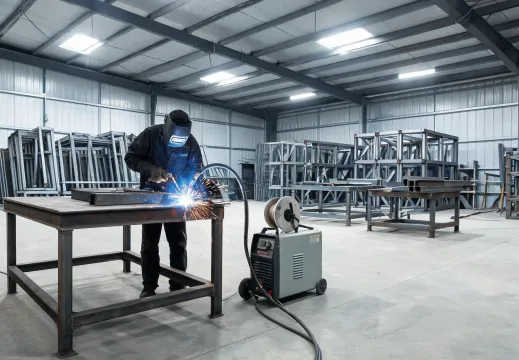
Fabrication shops
MIG and multi-process units help teams handle changing material thickness, fixture work and repeat batches without turning every job into a custom setup.
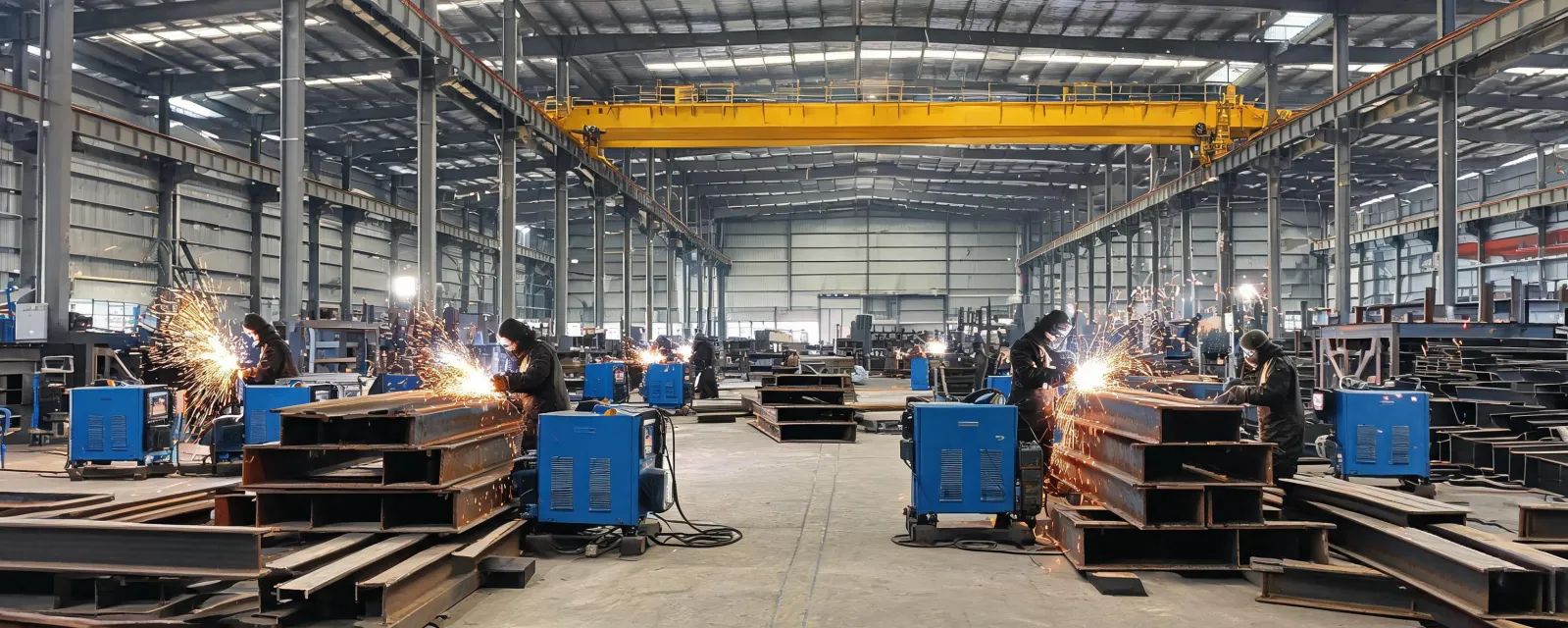
Different sectors ask different questions: deposition rate, portability, cut quality, procedure repeatability, training pace, service access and consumable planning. The industry view keeps those questions attached to real work.
MIG and multi-process units help teams handle changing material thickness, fixture work and repeat batches without turning every job into a custom setup.
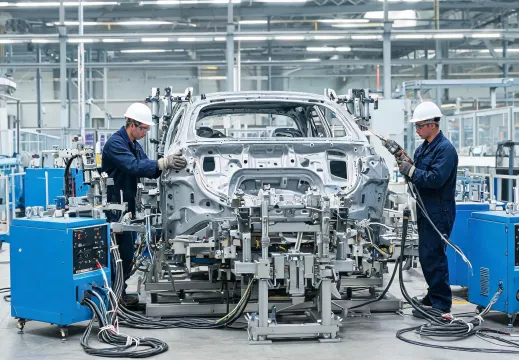
Production and repair environments need stable procedures, quick parameter recall and support for operators moving between similar assemblies.
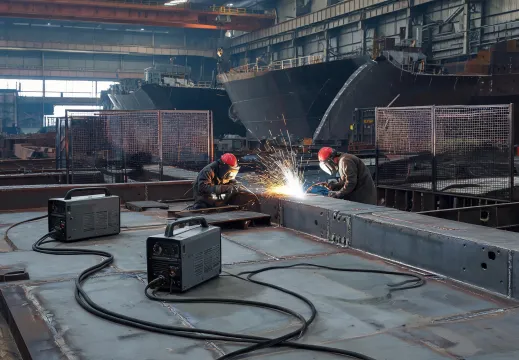
Heavy assemblies require attention to reach, leads, arc stability and serviceability when equipment moves across large work areas.
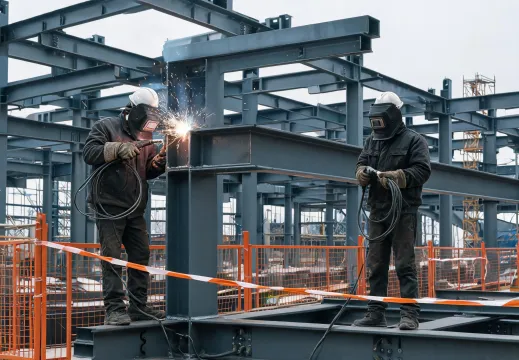
Stick welding and engine-driven setups are evaluated around portability, input access, ruggedness and fast repair workflows in field conditions.
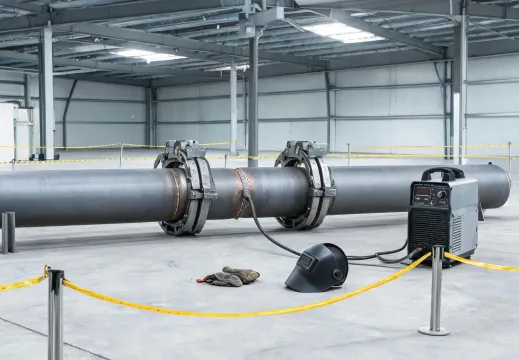
Procedure adherence, material control and equipment uptime shape decisions when weld quality documentation is part of the job.
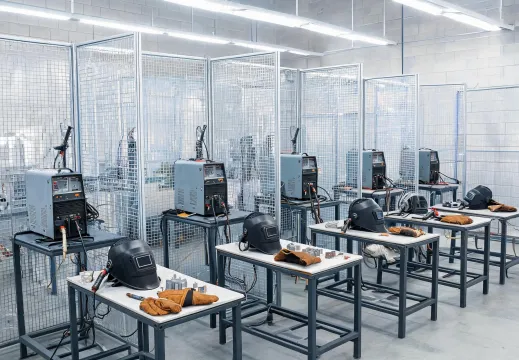
Training programs compare machines by ease of setup, process coverage and how quickly instructors can reset stations for the next cohort.
A welding engineer, shop supervisor and purchasing lead often read the same equipment page differently. This industry view is written to keep their concerns separate without forcing them into separate conversations. Process fit, installation feasibility, support route and accessory planning can all be documented before a buyer asks for final pricing.
Send your industry, material range and expected arc process. The response can start with practical equipment categories instead of a blank catalog search.
Discuss Application Fit